
Summary: Post-Hirak distrust, candidate exclusions and political apathy are expected to drive low turnout.
Post-Hirak distrust, candidate exclusions and political apathy are expected to drive low turnout.
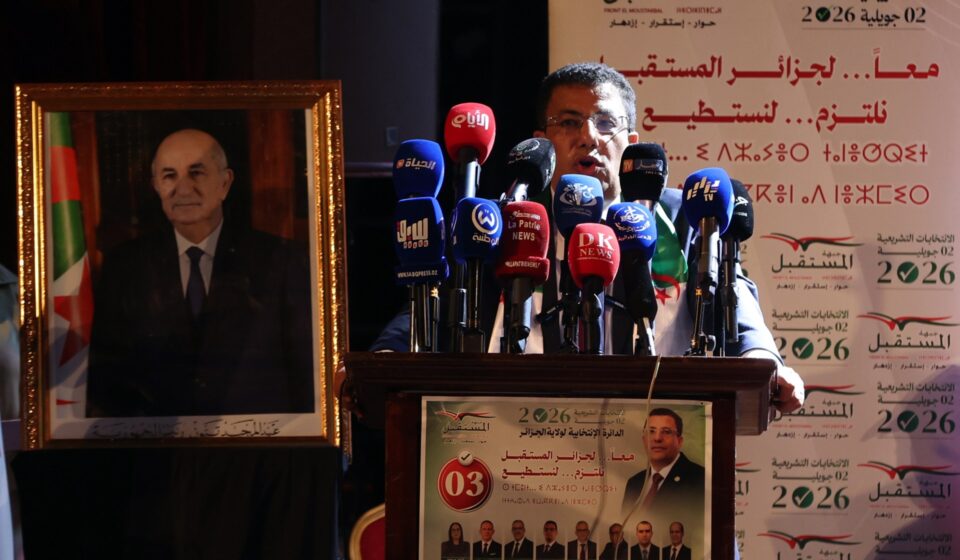
Algiers, Algeria – As Algerians prepare to vote on Wednesday to elect a new parliament, the central question is not which parties will emerge strongest, but whether citizens will bother to turn out at all.
Years after the Hirak protest movement forced a rupture in Algeria’s political order, the campaign has unfolded in an atmosphere marked less by competition than by widespread disengagement and mistrust.
The outgoing parliament, elected in 2021, recorded a turnout of just 23 percent, the lowest in any legislative election since independence in 1962.
That vote followed the Hirak protests that began in 2019 and led to the resignation of former President Abdelaziz Bouteflika, ushering in Abdelmadjid Tebboune’s presidency. Since then, observers say, a tightening political and civic space has further eroded confidence in formal politics.
In the run-up to the campaign, controversy about candidate eligibility deepened that sense of disengagement. According to Karim Khalfane, interim head of the national elections authority ANIE, more than 3,700 prospective candidates were barred from running, while approximately 10,000 were approved. Authorities say many of those excluded were linked to business interests or what the law describes as “suspicious activities”.
The legal basis is Article 200 of Algeria’s electoral law, introduced under amendments adopted in April 2026 to prevent “dirty money” from influencing elections. Critics argue its broad wording grants authorities wide discretion over who can stand.
The Islamist Movement of Society for Peace (MSP) has described its use as “arbitrary,” saying disqualifications were issued “without clear legal evidence or any final court judgment”. Louisa Hanoune, secretary-general of the Workers’ Party, called it “elastic, overly vague, and open to all readings and interpretations”.
Original source: Read the original article on www.aljazeera.com